Skip to product information
1 of 6

Emerald Brick Raw Pu-erh Tea

Emerald Brick Raw Pu-erh Tea

Regular price $276.75 USD
Regular price $369.00 USD Sale price $276.75 USD
Sale Sold out
Shipping calculated at checkout.
size

A Brick-Pressed Raw Pu-erh from 300-Year-Old Mengsong Ancient Trees

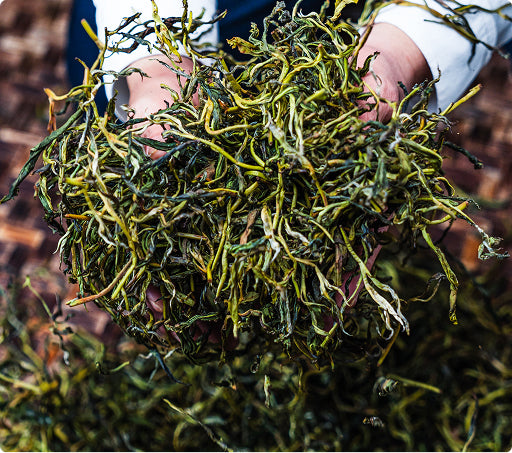
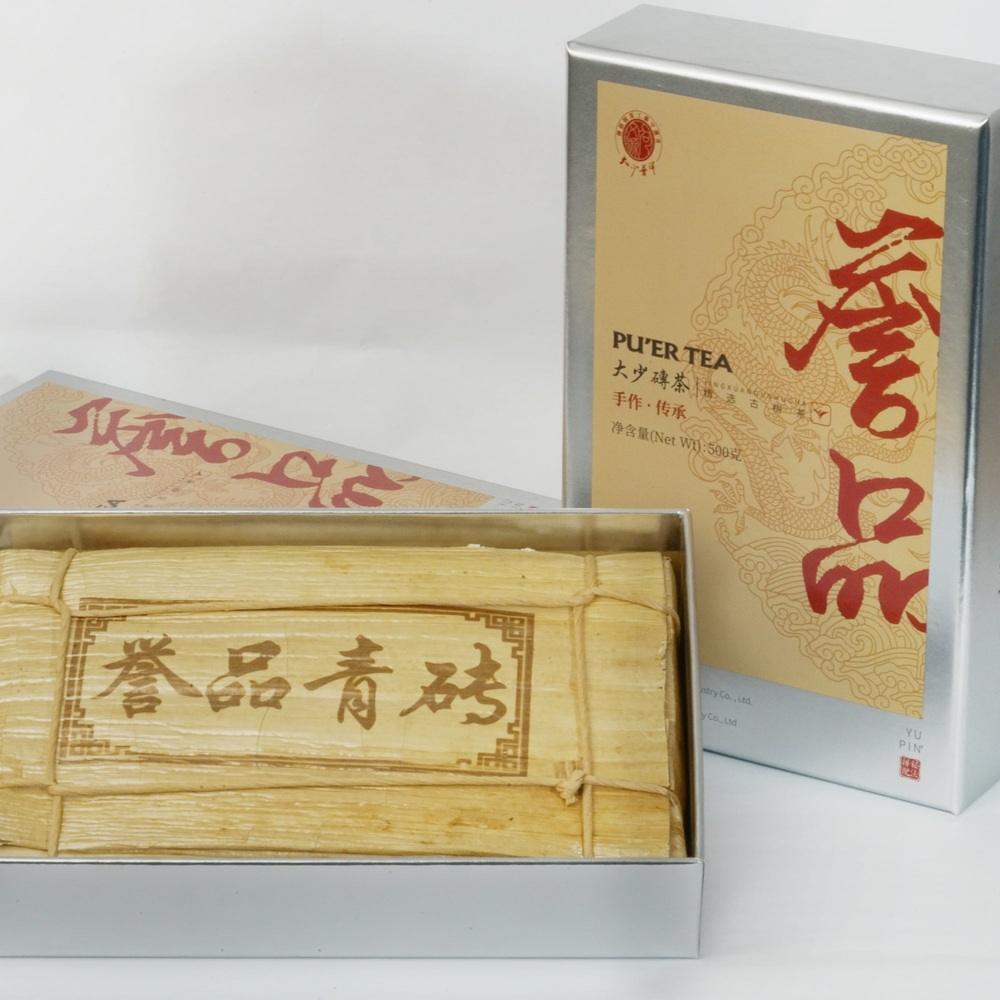
Emerald Brick is a 2020 sheng pu-erh pressed into a traditional brick format, made from spring leaves of 300-year-old ancient trees grown at 1,600–2,100 meters in Mengsong, Menghai, Yunnan. The brick form concentrates the tea’s character and supports long-term aging, making it equally suited for drinking now and storing for the future.

In the cup, Emerald Brick delivers the bold, complex profile characteristic of high-altitude Mengsong raw pu-erh — floral and fruity on the nose, with a thick, structured body that transitions from initial astringency into a deep, lasting sweetness.

Taste & Aroma Profile

Floral & Fruity Aroma: Bright, expressive fragrance with floral and fruity top notes
Astringent to Sweet: Bold initial structure that opens into a rich, lingering sweetness
Thick & Full-Bodied: Dense, satisfying texture with strong mountain character
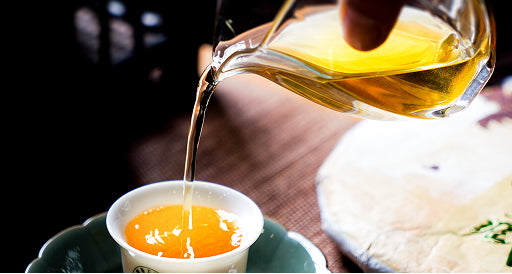
Liquor Color: Clear yellow — bright and clean in the cup

Why Choose Emerald Brick?

• Traditional brick format — a distinctive alternative to the standard tea cake
• Sourced from 300-year-old ancient trees in Mengsong at 1,600–2,100m altitude
• Strong aging potential — the dense brick form supports long-term cellaring and flavor development
• Bold, complex profile — ideal for experienced raw pu-erh drinkers and collectors
• A distinctive gift for tea enthusiasts who appreciate origin-focused sheng pu-erh

Brewing Guide

As a young raw pu-erh, precise brewing highlights its floral aroma and sweetness while managing its natural astringency.

Tea amount: 4–5 g  |  Water temperature: 90–95°C (194–203°F)
Rinse: Quick rinse with hot water, discard immediately to awaken the leaves
First infusion: 10–15 seconds; increase by 5–10 seconds per brew
• Rewards patience — later steeps reveal deeper sweetness and evolving complexity

Tip: Raw pu-erh is best enjoyed after meals to help reduce greasiness and support digestion. Avoid drinking cold.

Explore more origin-focused Raw Pu-erh teas in Antrilea’s Raw Pu-erh collection.

Raw vs. Ripe Pu-erh

Raw Pu-erh (Sheng) and Ripe Pu-erh (Shou) begin with Yunnan large-leaf tea but develop through different processing and aging methods.

Raw Pu-erh develops gradually through natural aging and generally offers a brighter, fresher, and more aromatic character.

Ripe Pu-erh undergoes controlled post-fermentation and is generally deeper, smoother, and mellower.

The exact aroma, taste, and texture of every tea will vary according to its origin, harvest, age, storage, and brewing method. Please refer to the individual product description for the exact tea type and specifications.

How to Brew Pu-erh Tea

No special teaware is required. A gaiwan, small teapot, or heat-resistant cup can all be used.

  1. Preheat the teaware with hot water.
  2. Add tea according to the size of your vessel and preferred strength.
  3. Briefly rinse the leaves with hot water if desired.
  4. Use freshly boiled water for Ripe Pu-erh. For younger Raw Pu-erh, allow the water to rest briefly after boiling.
  5. Begin with a short 10–15 second infusion and pour it out completely.
  6. Gradually increase the steeping time for later infusions.

Pu-erh tea can usually be infused multiple times. Adjust the water temperature, leaf amount, and steeping time according to your taste.

Storage, Sourcing & Trust

Store Pu-erh tea in a clean, cool, and dry place away from direct sunlight, moisture, excessive heat, and strong odors. Keep the tea in its original packaging or a suitable tea container when not in use.

The origin, harvest, format, and flavor profile vary by product. Please refer to the individual product description and packaging for product-specific information.

The B Corporation certification and U.S. FDA food facility registration displayed on this website name Menghai Wenyuan Tea Industry, the tea producer behind Antrilea. This wording clearly identifies the certificate holder without presenting Antrilea itself as the registered entity.

View full details

Certifications & Standards

Independent credentials supporting our commitment to responsible business practices and food facility registration.

Certified B Corporation

U.S. FDA Food Facility Registration

Frequently Asked Questions

Find answers to common questions about our products

  • Yes. Pu-erh tea can be enjoyed by both beginners and experienced tea drinkers. Raw Pu-erh generally offers a brighter and more aromatic character, while Ripe Pu-erh is typically smoother, mellower, and earthier. Choose according to your preferred flavor profile.

  • Raw Pu-erh is naturally aged and often develops fresh, floral, fruity, or mineral notes. Ripe Pu-erh undergoes an accelerated fermentation process, resulting in a darker infusion with smoother, deeper, and earthier flavors. The exact character may vary depending on the tea’s origin, age, and brewing method.

  • Preheat your teaware, add the desired amount of tea, and briefly rinse the leaves with hot water if preferred. Begin with a short infusion of approximately 10–15 seconds, then gradually increase the steeping time for later infusions. Refer to the brewing guidance on the individual product page for the best results.

  • Yes. Pu-erh tea is well suited to multiple infusions. Its aroma and flavor can continue to develop with each steep. The number of infusions will vary depending on the tea, the amount used, water temperature, brewing vessel, and preferred strength.

  • No special equipment is required. A gaiwan, small teapot, or heat-resistant brewing vessel will work well. Using smaller teaware with shorter steeping times can make it easier to experience how the tea’s flavor changes across multiple infusions.

before-img
20–25 Days Delivery
before-img
Secure Payment
before-img
Customer Service
before-img
Handcrafted Quality
Heritage. Handcrafted

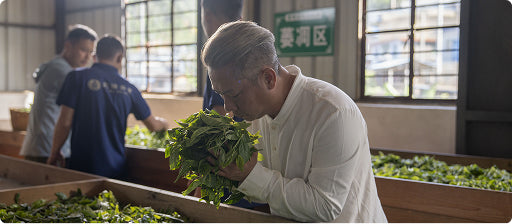
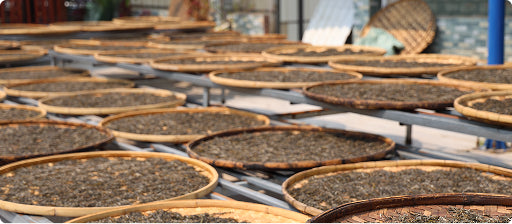
In an age of growing industrialization, we remain devoted to the art of handcrafting tea, following each step of the traditional process with care and precision. Our artisans believe that only through decades of experience, the touch of skilled hands, and the patience of time can the finest tea be created — tea that carries the soul of ancient traditions. At Antrilea, every leaf is crafted entirely by hand, not just in pursuit of perfection, but to honor and preserve the heritage of Pu-erh.

The People Behind

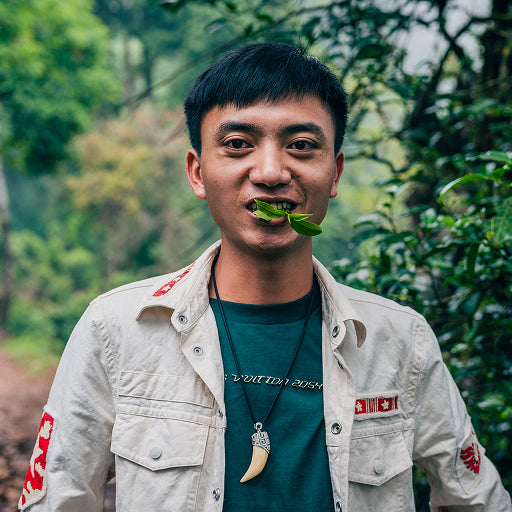
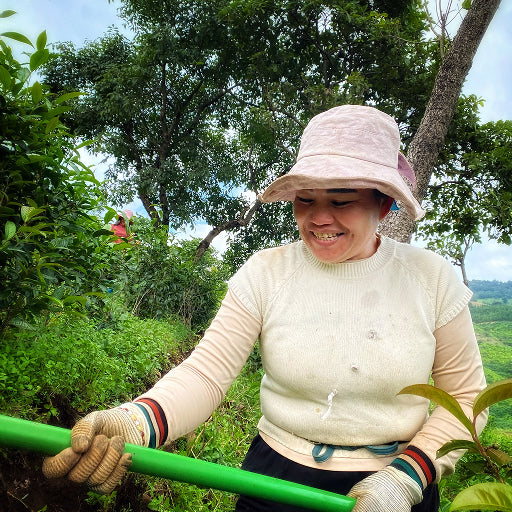
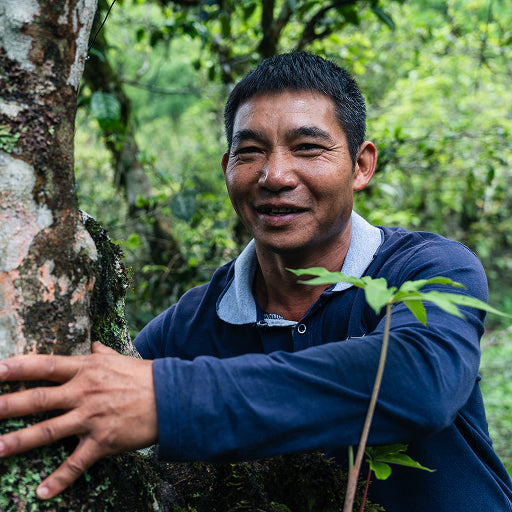
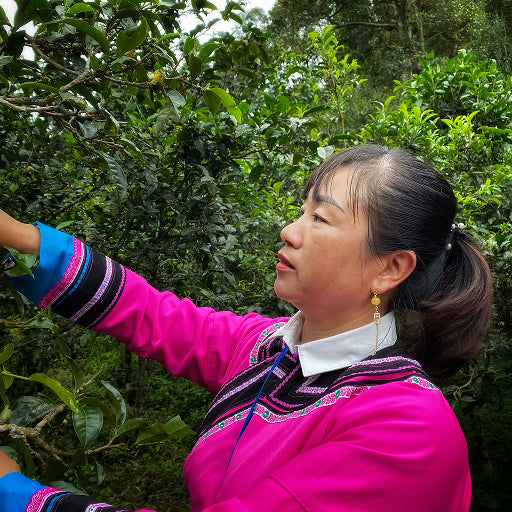
High in the remote mountains, our tea Growers live closely with ancient tea trees, caring for them like their own children. Through years of quiet devotion, a deep bond has formed — one of trust, patience, and mutual giving. The trees offer their finest leaves, and the farmers, in return, protect them with love.Humble, resilient, Positive and kind, our Growers reflect the spirit of Pu-erh tea itself — warm, lasting, and full of character.

Mr. Lee
Miss. Wong
Mr. Chow
Miss. Zhao
Brewing & Drinking Guide
PREPARATION
3-8g (0.11-0.28 oz)
450-1000ml
212°F / 100°C

5-10 s
Brewing Guide
Raw Pu-erh is best enjoyed after meals to help reduce greasiness and support fat metabolism. For optimal taste and benefits, avoid drinking it cold.
Drinking Guide
Use a 1:15 ratio in a covered bowl, or 1:18 in a purple clay teapot. Generally, 3-8g (0.11-0.28 oz) of tea can be brewed with 450-1000ml of water per steep.
Your every order matters

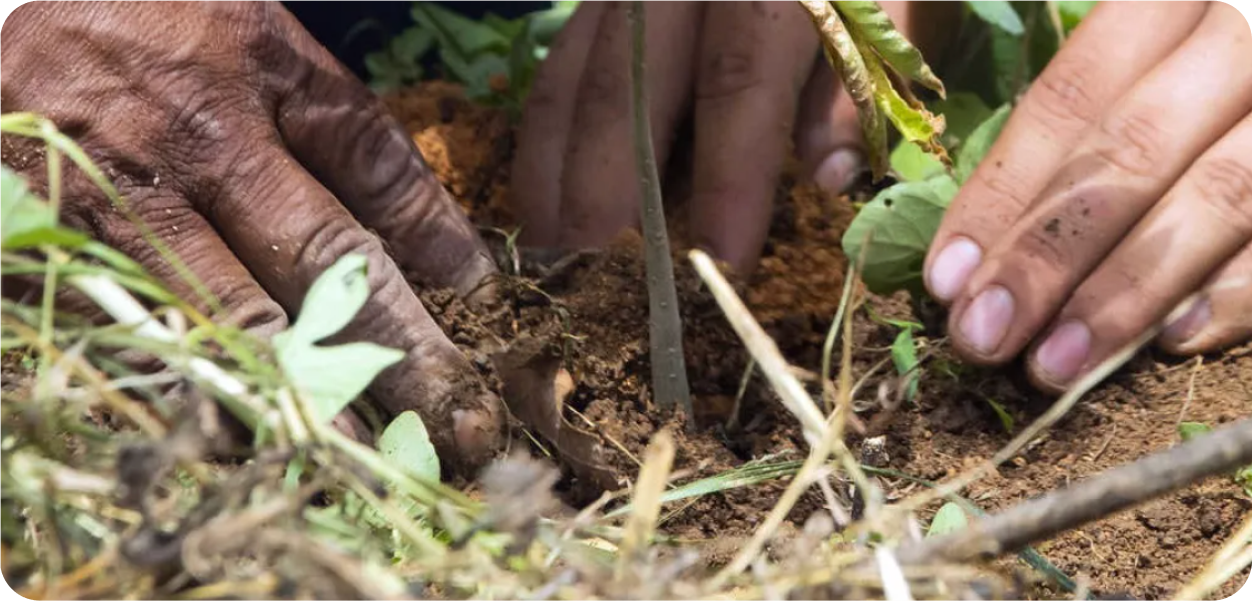
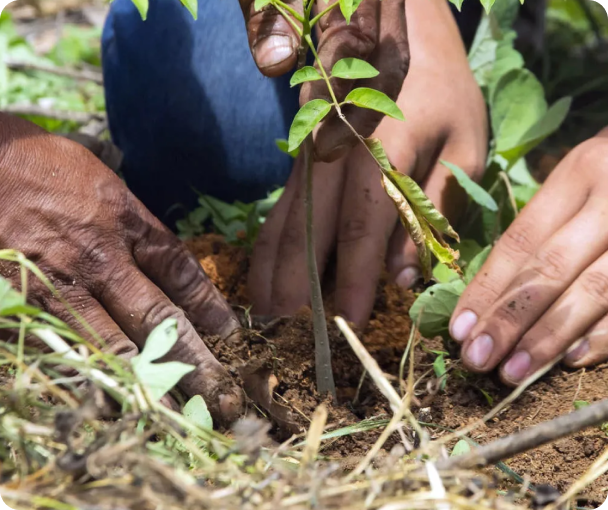
At Antrilea, we believe every cup of tea can be a small step toward a greener world. That’s why we’ve partnered with The Good API, a platform that helps businesses support verified environmental initiatives, such as global reforestation.

While we don’t tie donations directly to purchases, we’re committed to regularly contributing to this cause as our business grows. Each contribution supports tree-planting projects that restore ecosystems, support biodiversity, and help combat climate change.

Together with our community, we aim to nurture not only the culture of tea, but also the future of our planet.