

Certifications & Standards
Independent credentials supporting our commitment to responsible business practices and food facility registration.
Frequently Asked Questions
Find answers to common questions about our products
-
Yes. Pu-erh tea can be enjoyed by both beginners and experienced tea drinkers. Raw Pu-erh generally offers a brighter and more aromatic character, while Ripe Pu-erh is typically smoother, mellower, and earthier. Choose according to your preferred flavor profile. -
Raw Pu-erh is naturally aged and often develops fresh, floral, fruity, or mineral notes. Ripe Pu-erh undergoes an accelerated fermentation process, resulting in a darker infusion with smoother, deeper, and earthier flavors. The exact character may vary depending on the tea’s origin, age, and brewing method.
-
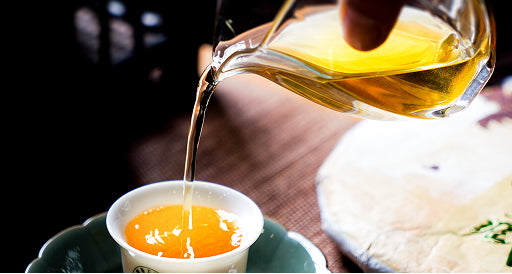
Preheat your teaware, add the desired amount of tea, and briefly rinse the leaves with hot water if preferred. Begin with a short infusion of approximately 10–15 seconds, then gradually increase the steeping time for later infusions. Refer to the brewing guidance on the individual product page for the best results.
-
Yes. Pu-erh tea is well suited to multiple infusions. Its aroma and flavor can continue to develop with each steep. The number of infusions will vary depending on the tea, the amount used, water temperature, brewing vessel, and preferred strength.
-
No special equipment is required. A gaiwan, small teapot, or heat-resistant brewing vessel will work well. Using smaller teaware with shorter steeping times can make it easier to experience how the tea’s flavor changes across multiple infusions.






Miss. Zhao

3-8g (0.11-0.28 oz)

450-1000ml

212°F / 100°C

5-10 s