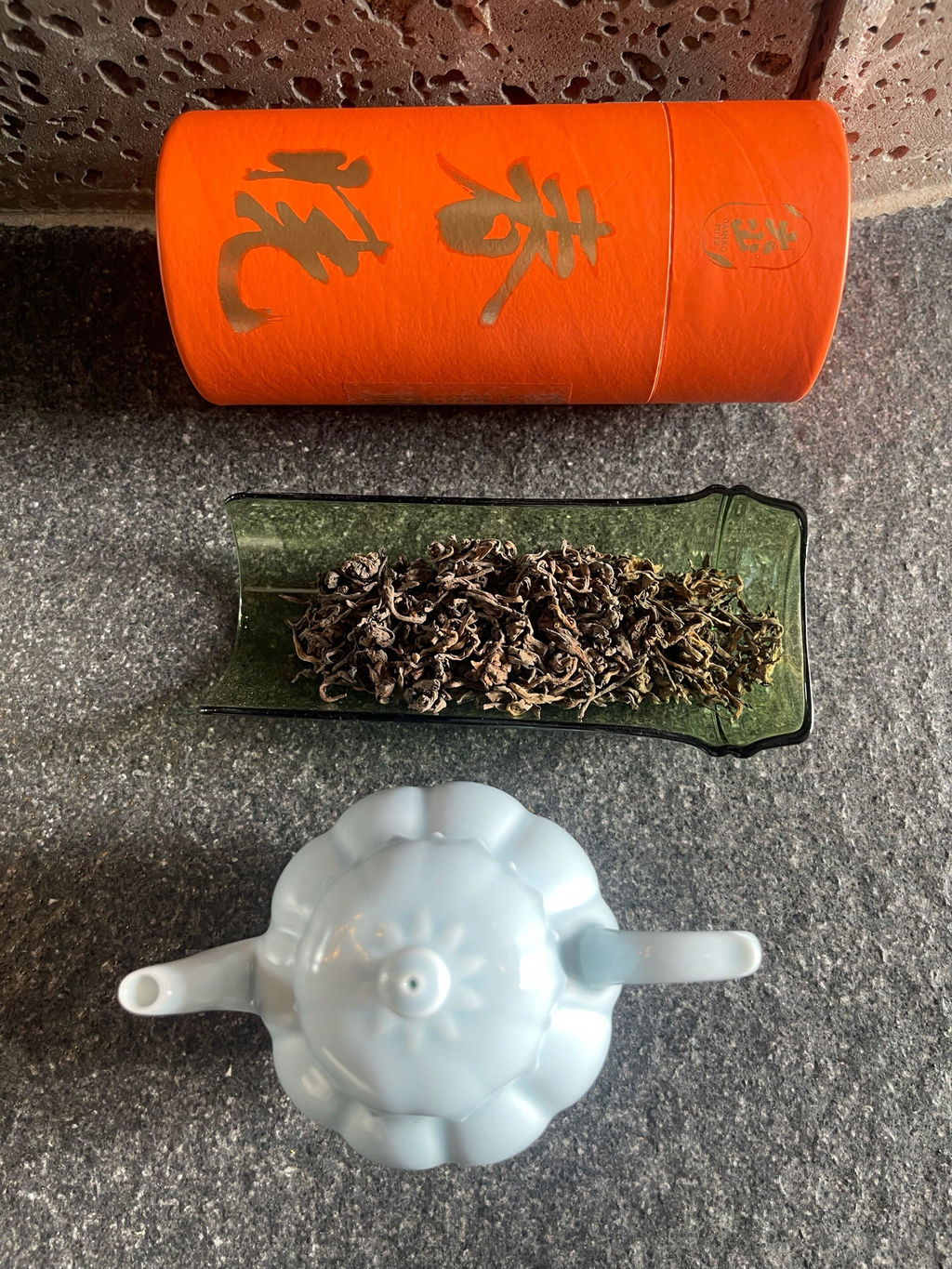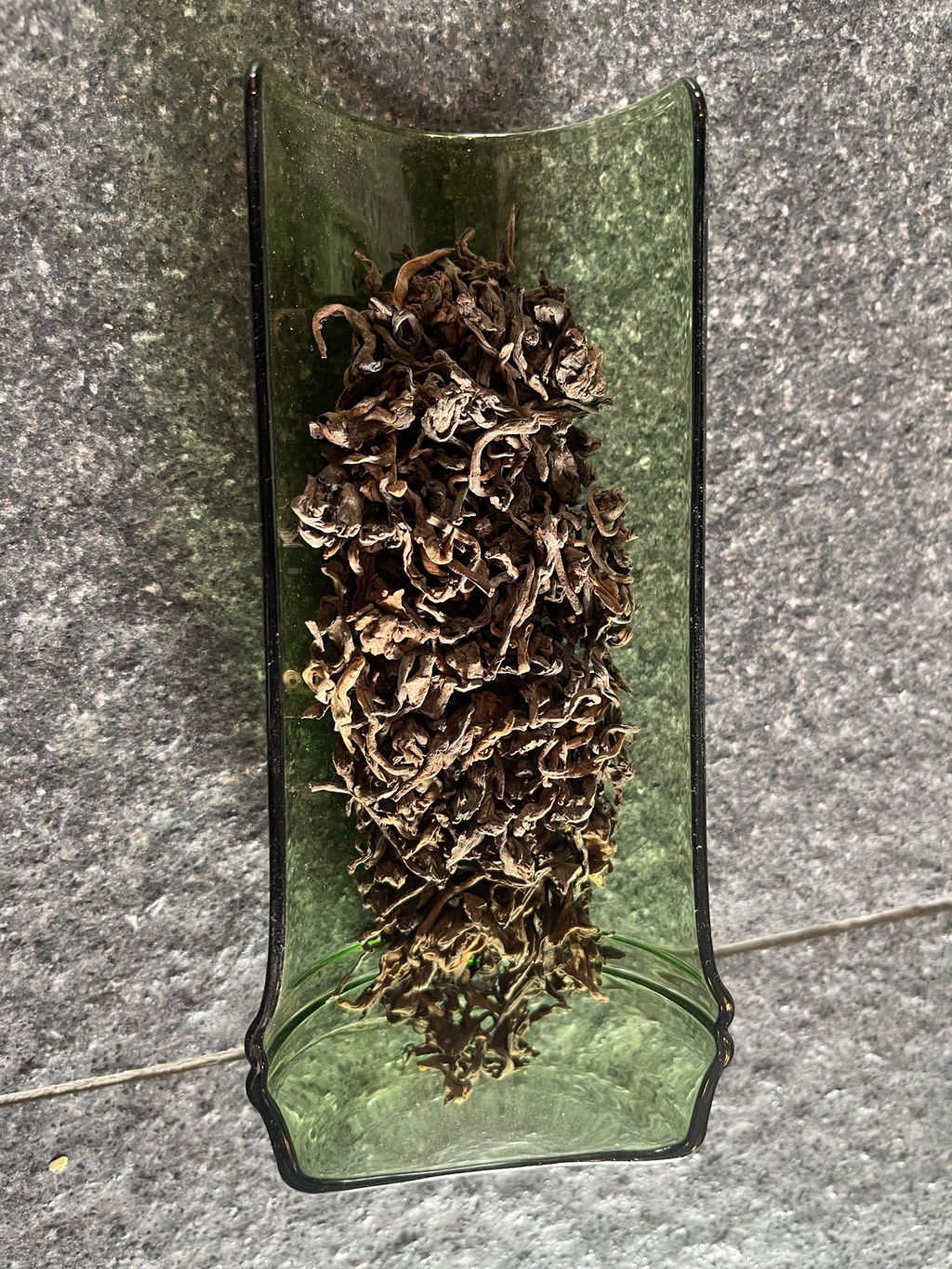
Whispers of Spring - Ripe 春晓
Taste Profile
-
Velvety & Rich: Exceptionally smooth, full-bodied, and deeply satisfying texture.
-
Complex Sweetness: A layered sweetness unfolds, reminiscent of dates and honey.
Key Features
-
Exclusive Aroma Blend: Features a distinct, comforting glutinous rice fragrance, harmoniously intertwined with a subtle, sweet jujube (date) aroma. This unique combination sets it apart from common earthy pu-erhs.
-
Premium "Spring Harvest" Tea: Made exclusively from tender leaves handpicked during the prime spring season in Mengsong, Yunnan, then expertly pile-fermented for a mellow character.
-
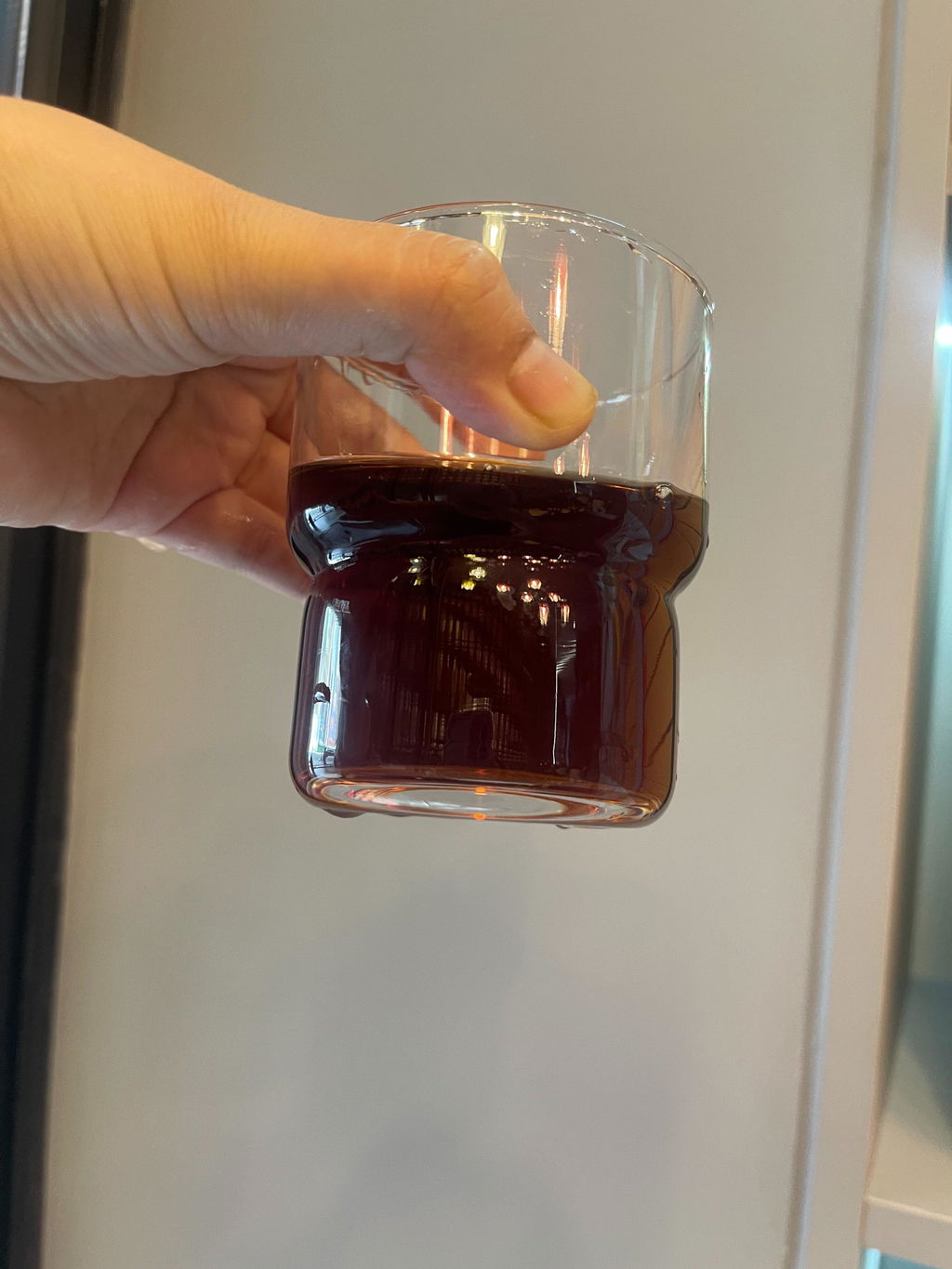
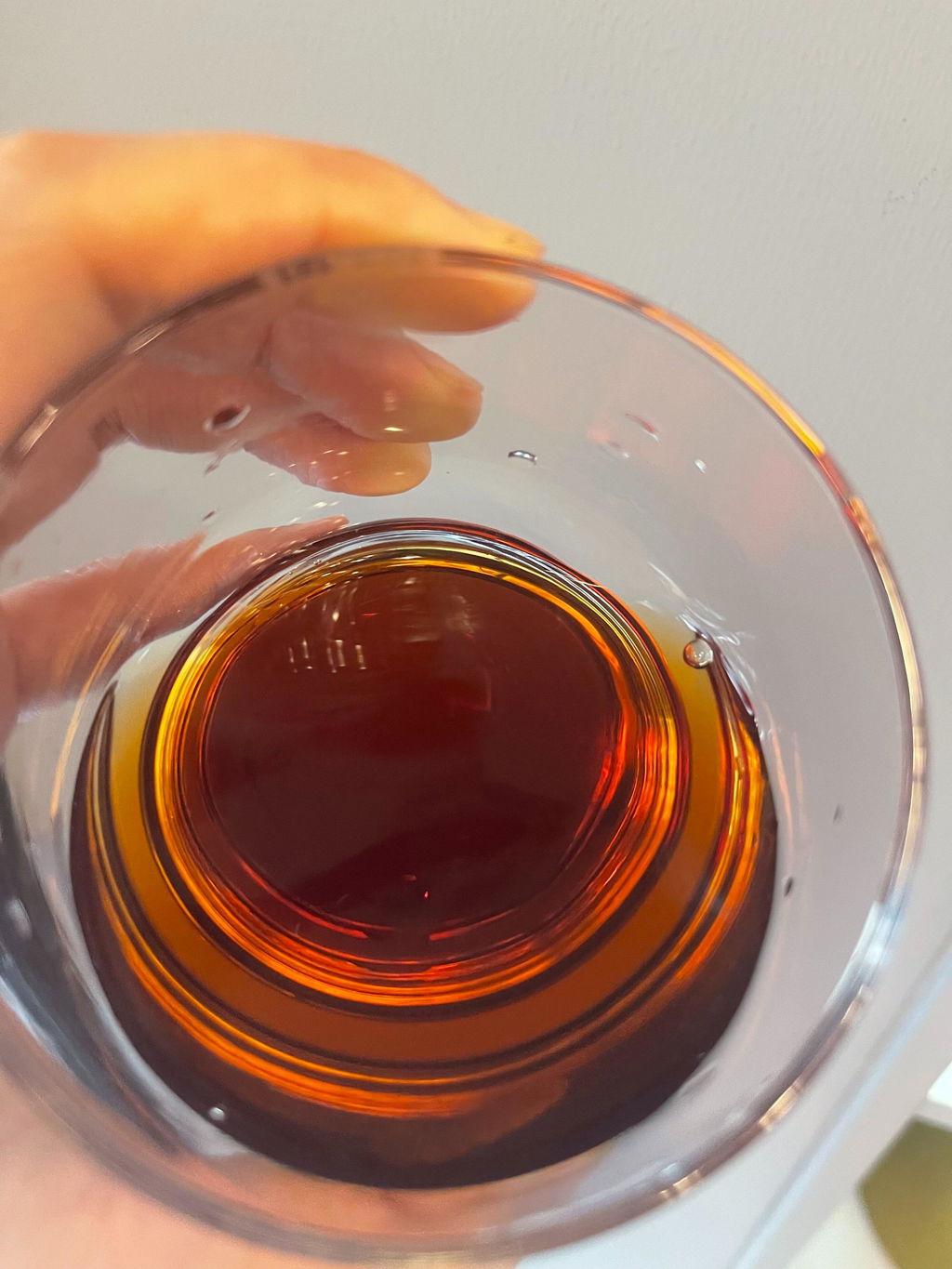
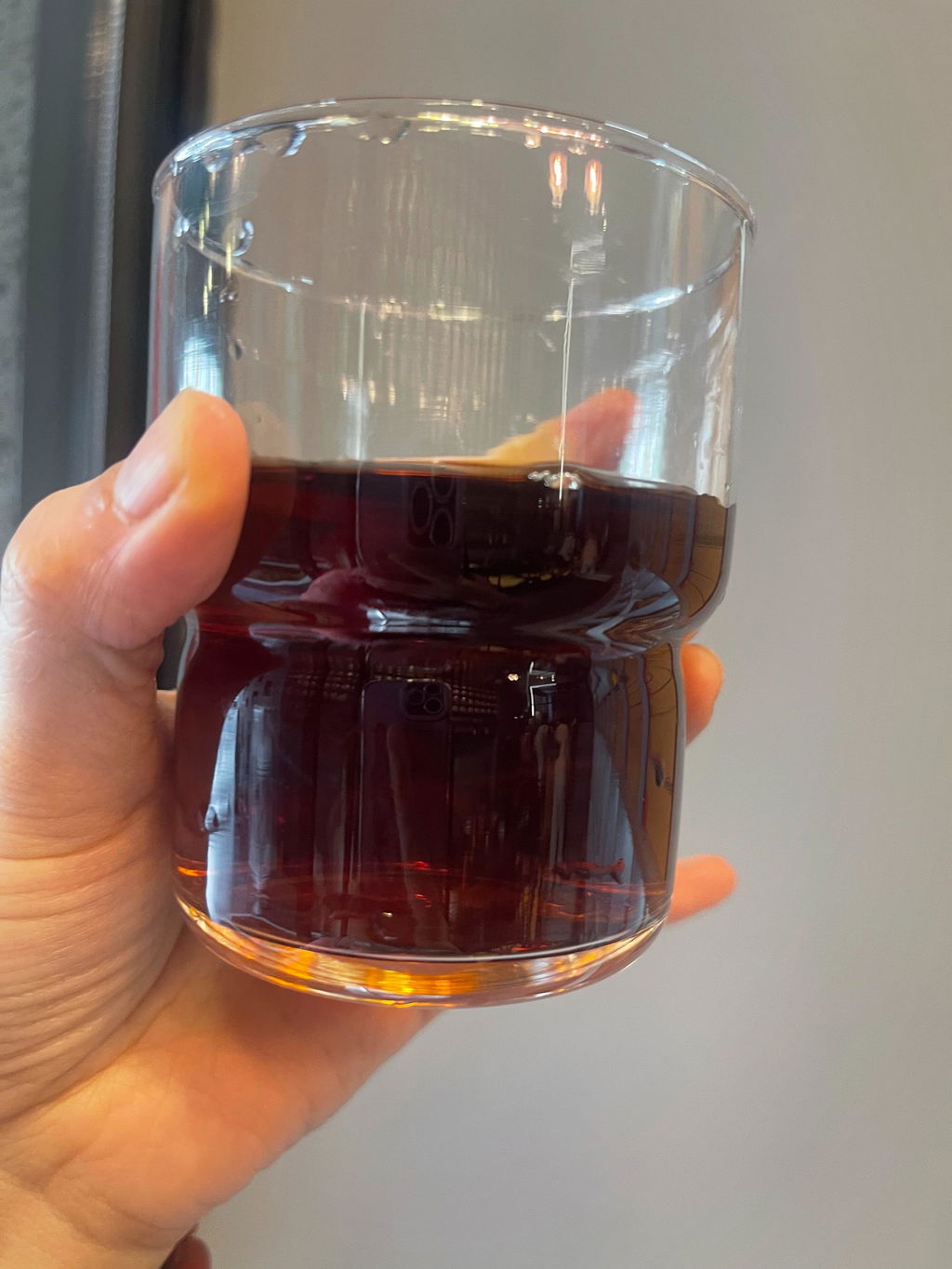
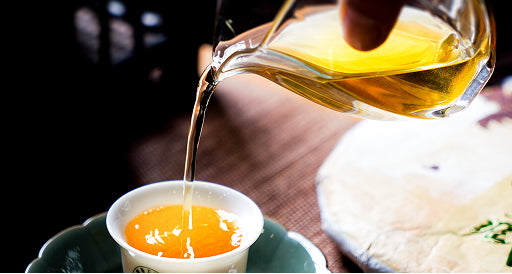
Vivid Crimson Liquor: Brews to a radiant, red-infused tea soup that gleams with golden highlights.
-
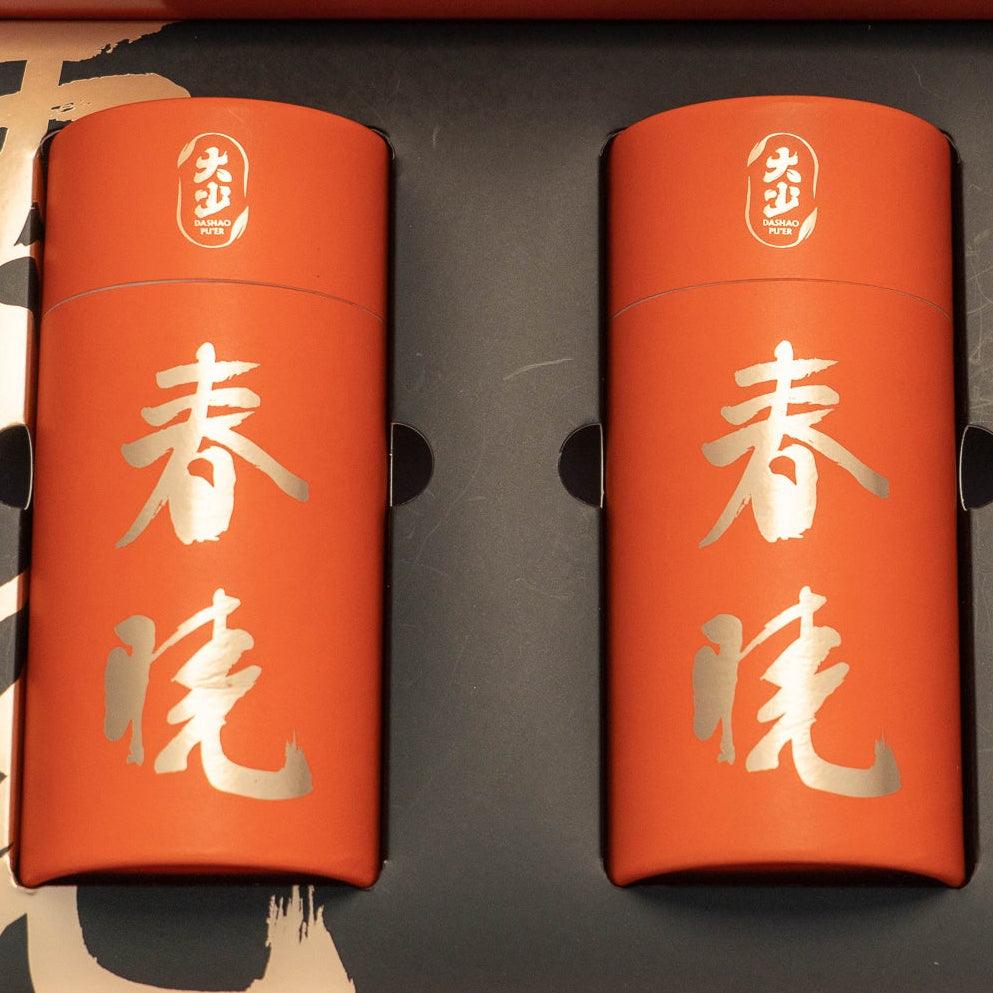
Luxury Presentation: Beautifully packaged, making it an impressive gift for holidays or a sophisticated finale to special dinners.
Two Ways to Brew
-
Traditional Gongfu Style (For Depth & Aroma)
-
Prep: Warm your teapot (clay or ceramic is ideal). Use 3-5 grams of tea per 150ml of water.
-
Rinse: Quickly pour 100°C (212°F) water over the leaves and discard immediately. This "awakens" the tea and ensures a clean first brew.
-
Brew: Steep with 100°C water. Start with short infusions of 10-20 seconds for the first few rounds. Gradually increase time by 5-10 seconds for subsequent steeps. This tea can yield many flavorful infusions.
-
-
Simple Western Style (For Convenience & Strength)
-
In a cup or pot, use 1 teaspoon (approx. 2-3g) of tea per 200ml cup.
-
Pour 100°C (212°F) water directly over the leaves.
-
Steep for 2-3 minutes, then strain. Adjust time to taste—shorter for lighter, longer for stronger.
-
Why You’ll Love It
-
A Truly Unique Flavor: Experience the rare and comforting duo of rice and jujube notes, a signature of this premium tea.
-
Unforgettable Texture: Enjoy a sip that is remarkably smooth, thick, and velvety on the palate.
-
The Perfect Gift: Its exceptional quality and elegant packaging make it a memorable present for any tea connoisseur or special occasion.
The Making Process
The Making Process
Withering
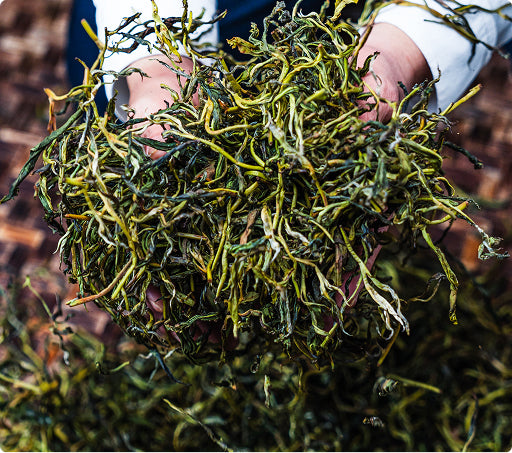
Fresh leaves are spread thin to gently reduce moisture. Precision is key to preserving the tea’s complex inner qualities.
Kill-Green
Hand-fired in iron woks to stop oxidation. A tea master’s skill removes grassy notes while locking in natural aroma and enzymes.
Rolling
Leaves are carefully rolled to release inner juices—essential for full flavor. For Bang Zhang's thick leaves, pressure and timing are finely tuned.
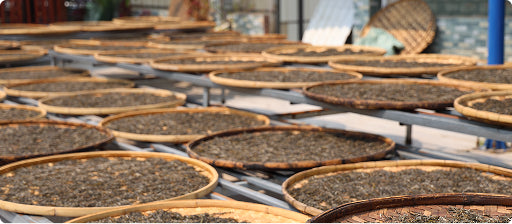
Sun-Drying
Under open sunlight, never oven-dried. This signature step gives Pu-erh its "sun-kissed" character and preserves vitality for aging.
Steam-Pressing
Tea is steamed and pressed into cakes. This shapes the tea and creates the ideal micro-environment for slow, natural fermentation.
Aging Potential
Once pressed, Bang Zhang tea evolves over years. Its rich foundation allows flavors to deepen from bold to smooth, gaining value with time.
Premium Materials
Premium Materials
The Craft Behind "Banzhang: King of Pu-erh"
The title “Banzhang King” is earned not only through its exceptional terroir, but also through the masterful application of time-honored craftsmanship to its superior leaves.
Leaf Selection
Only the first spring harvest from ancient tea trees is chosen, with a standard of one bud and two leaves—ensuring a rich, balanced concentration of flavor compounds.
Handcrafted Expertise
From fixing to rolling, every step is performed by hand by experienced masters. For example, to balance Banzhang’s intense cha qi (tea energy), the kill-green process requires advanced skill in alternating tossing and covering techniques.
Preserving Vitality
The entire craft of raw tea centers on maximizing the preservation of the leaf’s natural vitality—the foundation for its remarkable aging potential over decades.
Pure Fermentation
When crafting ripe Pu-erh, Banzhang ancient tree leaves undergo cleaner, smaller-batch fermentation techniques such as above-ground or bamboo-basket fermentation. This higher-cost approach ensures a purer, more refined "Menghai taste," free from any off-notes sometimes found in traditional large-pile fermentation.
How to Brew Pu-erh Tea
1. Warm the teaware
Pour hot water into your cup and teapot to preheat them, then discard the water.
2. Rinse the leaves
Place the tea leaves into the pot, fill with hot water, and immediately pour off the water completely. This step awakens the leaves and is not for drinking.
3. Brew the tea
- Refill the pot with hot water.
- For ripe Pu-erh: use just-boiled water.
- For raw Pu-erh (young tea): wait about 30 seconds after boiling before using the water.
4. Steep & serve
Let the tea steep for about 10–15 seconds, then pour all the liquid into your cup to drink. Do not leave the leaves soaking in water.
For subsequent infusions, slightly increase the steeping time each time.
Couldn't load pickup availability

Unique natural clump shape, great flavor layered in every infusion. High quality!
Gifted this to my tea-loving parents, and they haven’t stopped raving! Stunning packaging, premium quality, and such a unique, comforting flavor. Perfect holiday gift!
New to pu-erh and obsessed! It’s so easy to brew, has a lovely sweet honey and date flavor, zero bitterness. 10/10 would


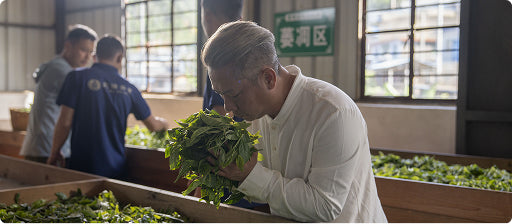
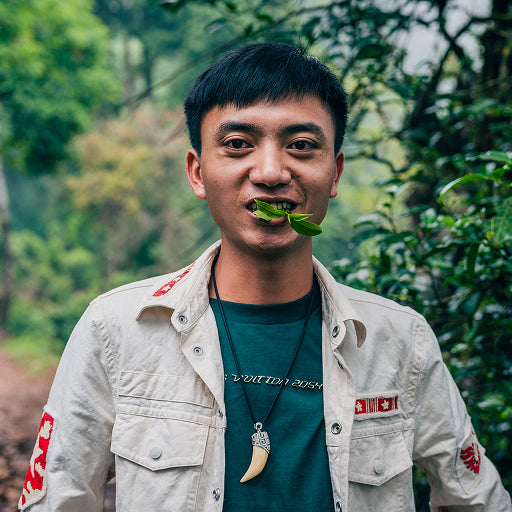
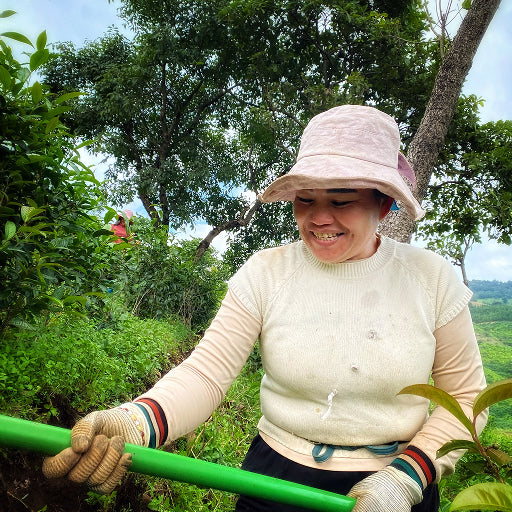
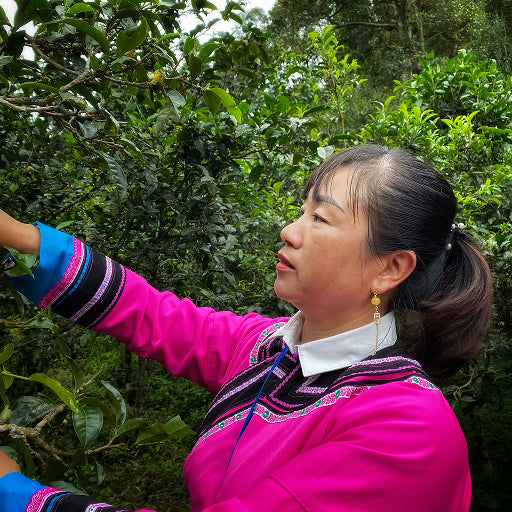
In the quiet of early morning, while the leaves are still cool with dew, our harvesters gently handpick the most tender shoots.
Leaves picked at dawn are at their freshest — soft, vibrant, and full of life. This careful timing helps preserve the tea’s most delicate flavors, capturing its true character in every cup.
In an age of growing industrialization, we remain devoted to the art of handcrafting tea, following each step of the traditional process with care and precision. Our artisans believe that only through decades of experience, the touch of skilled hands, and the patience of time can the finest tea be created — tea that carries the soul of ancient traditions. At Antrilea, every leaf is crafted entirely by hand, not just in pursuit of perfection, but to honor and preserve the heritage of Pu-erh.


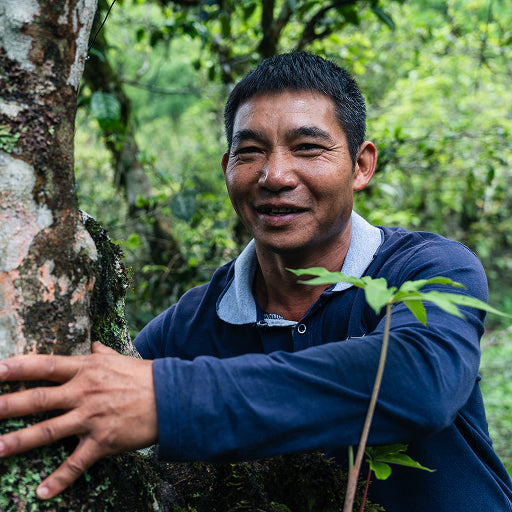
High in the remote mountains, our tea Growers live closely with ancient tea trees, caring for them like their own children. Through years of quiet devotion, a deep bond has formed — one of trust, patience, and mutual giving. The trees offer their finest leaves, and the farmers, in return, protect them with love.Humble, resilient, Positive and kind, our Growers reflect the spirit of Pu-erh tea itself — warm, lasting, and full of character.


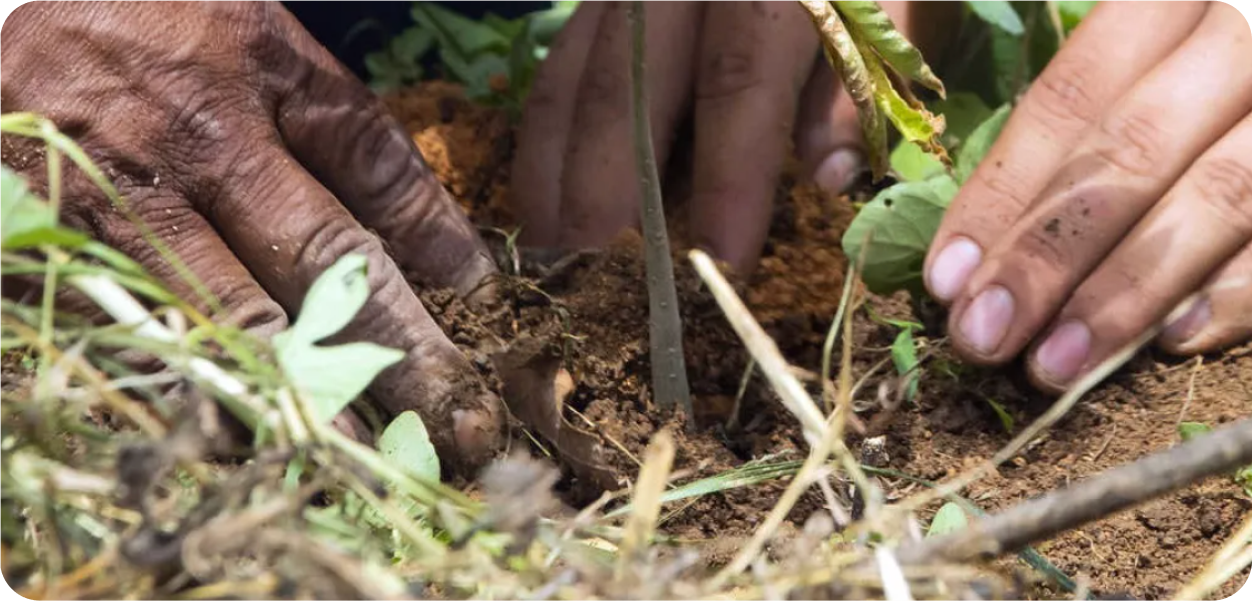
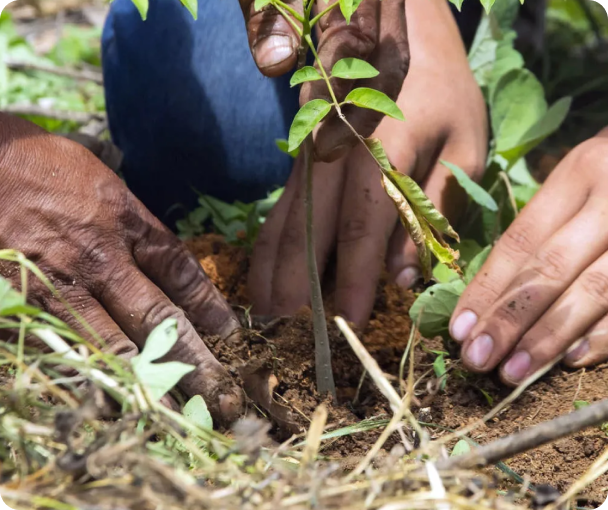
At Antrilea, we believe every cup of tea can be a small step toward a greener world. That’s why we’ve partnered with The Good API, a platform that helps businesses support verified environmental initiatives, such as global reforestation.

While we don’t tie donations directly to purchases, we’re committed to regularly contributing to this cause as our business grows. Each contribution supports tree-planting projects that restore ecosystems, support biodiversity, and help combat climate change.
Together with our community, we aim to nurture not only the culture of tea, but also the future of our planet.

FAQ
General Information
Who is Antrilea?
Antrilea is a premium Pu-erh tea brand with over 20 years of tea-making heritage. The brand remains committed to hand-harvesting spring tea leaves from centuries-old tea trees grown in the high mountains of Yunnan, China. Each batch is traditionally handcrafted to preserve the authenticity and depth of flavor. In 2023, Antrilea achieved B Corp certification, reflecting its commitment not only to profit but also to social value and sustainable development.
Where is Antrilea?
Our tea originates from the core Pu-erh regions of Yunnan, including Bulang Mountain, Banzhang, and Mengsong in Xishuangbanna. We manage over 4,300 mu (approximately 285 hectares) of ancient tea gardens at elevations ranging from 1,600 to 2,100 meters. The tea trees, aged between 100 to 300 years, have withstood the test of time and continue to thrive. Their resilience infuses each tea leaf with strength, complexity, and character.
What does Antrilea’s B Corp certification (No. 50 in China) mean?
Antrilea is proud to be a Certified B Corporation—a global mark of businesses that meet the highest standards of social and environmental impact. Certified by the nonprofit B Lab, the B Corp seal recognizes companies that balance profit with purpose.
We became B Corp certified in 2023, a milestone that reflects our deep commitment to sustainability, transparency, and ethical sourcing.
From day one, our tea has been about more than just flavor. We source only from ancient tea trees high in the mountains of Yunnan, handpick leaves during the spring season, and craft each batch using traditional, fully manual techniques. Our approach honors both nature and the communities we work with.
Being a B Corp means we hold ourselves accountable—not just to our customers, but to our planet and future generations.
Collapsible content
Tea & Food Safety
What is Raw Pu-erh?
Raw Pu-erh is made from large-leaf tea varieties grown in Yunnan. The fresh leaves undergo processes such as pan-firing (kill-green), rolling, shaping, and sun-drying to produce what’s known as “Maocha” (rough tea). This Maocha is then pressed into various shapes like cakes, bricks, tuo (nest), pearls, or squares. As a non-fermented tea, raw Pu-erh retains a fresh, astringent character that ages and transforms over time.
What is Ripe Pu-erh?
Ripe Pu-erh is a type of post-fermented tea made from large-leaf tea varieties native to Yunnan, China. It undergoes a special process known as "wet piling" and fermentation, which transforms the tea's character over time. The resulting tea has a reddish-brown liquor, a smooth, mellow taste, and distinct aromas such as aged notes, jujube fragrance, and a natural sweetness.
How should I drink raw and ripe Pu-erh tea?
Raw Pu-erh: Best enjoyed after meals—it helps cut through grease and supports digestion. Just try not to drink it cold, as it can be a bit harsh on the stomach.
Ripe Pu-erh: Great first thing in the morning or after eating. It’s super flexible—you can drink it hot, let it cool down, or even add a few ice cubes if that’s your style.